Olympic Weightlifting And Overcoming Injuries: Coach Ahrie Jerred

Caitlyn Davey • July 8, 2025

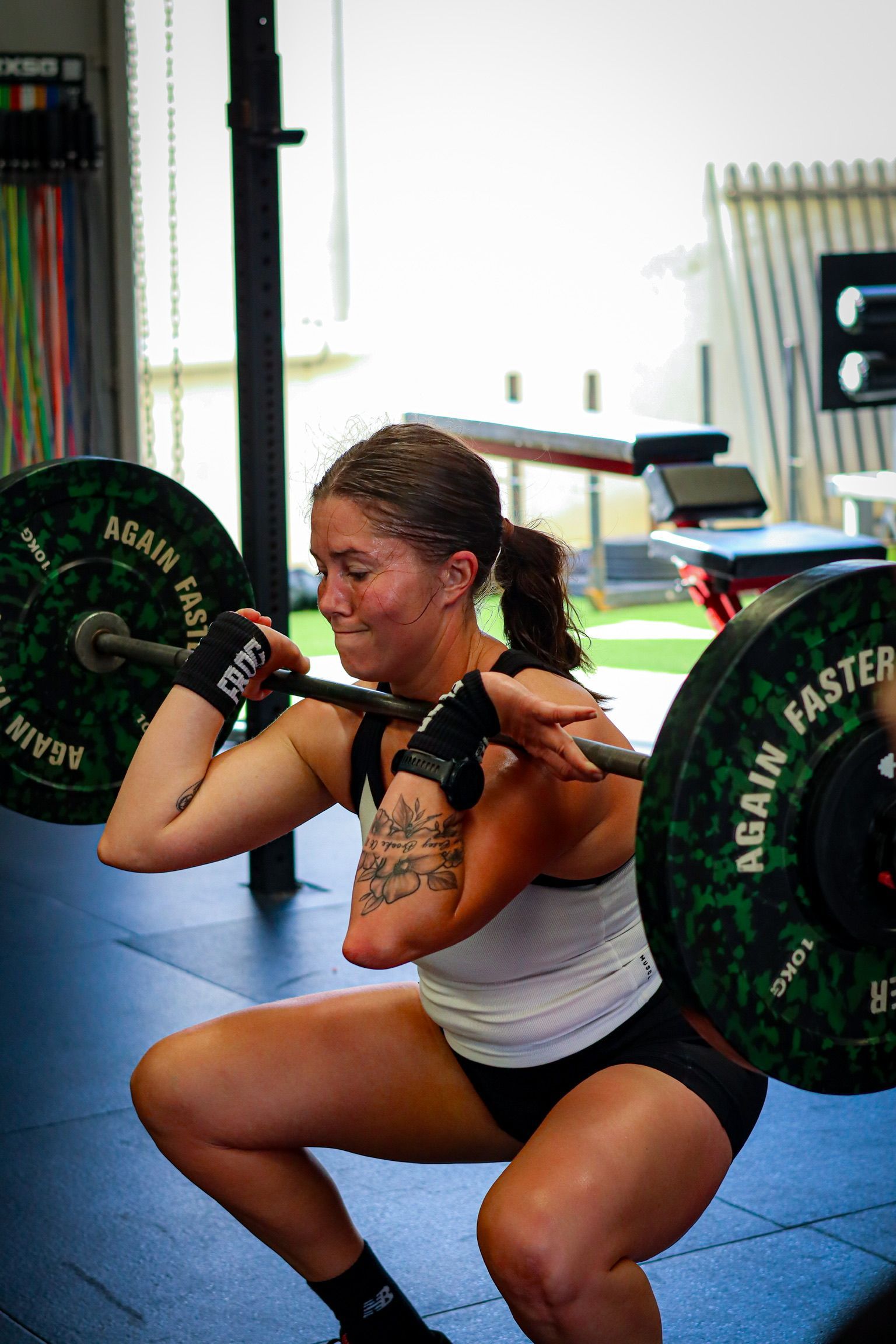
 I love Olympic weightlifting. I recently competed at an under 23 national competition in Perth. Unfortunately in my last clean and jerk, I went for a personal best of 145kg but felt a pop in my left knee as I caught the barbell. There was no pain during the lift; I got my 145kg PB. After I walked off the platform, my knee was sore; I knew I had injured it. Once back in Brisbane a physio confirmed it- I have a meniscus tear. Fortunately for me there is a high likelihood of full return to Olympic lifting. This experience shook me, I am a person who was taking preventative measures to not get injured. It triggered thoughts: should I be doing Olympic weighting? Maybe I am not good enough? What am I doing this for? Has all this time I spent on this sport been wasted? I’m sure many of you can relate to these thoughts when it comes to any area of life, where something doesn’t go the way you wanted it to. This is not the first time I have been injured, I have broken my left arm 3 times and had to go through a lot of rehab in the process. From previous experience it has highlighted the amazing ability the body has to recover and return to sport. Though those questions were tough to think about, I view them as a blessing. It has reminded me why I started weightlifting. I started because I love the expression of power & mobility from the body. Many of you may have injuries and become frustrated with the lack of progression. Everything is an opportunity. With my knee injured I have more time to focus on study, I can work on strengthening my upper body, I can spend more time with friends & family; but I will return to the sport I love. Injury and pain are not always the same, my knee hasn’t hurt much during rehabilitation but if I become negative about life them my pain would be far greater. Your mental state in how you handle these challenging times is very important. It ties into self identity, I remind myself I am a great and valued person because of who I am, not what I do. If I associate my self worth with weightlifting then when that is taken away so is my self worth. You are not what you do, you are an amazing and valued person and then you do things.

Previous Blogs
February 16, 2026
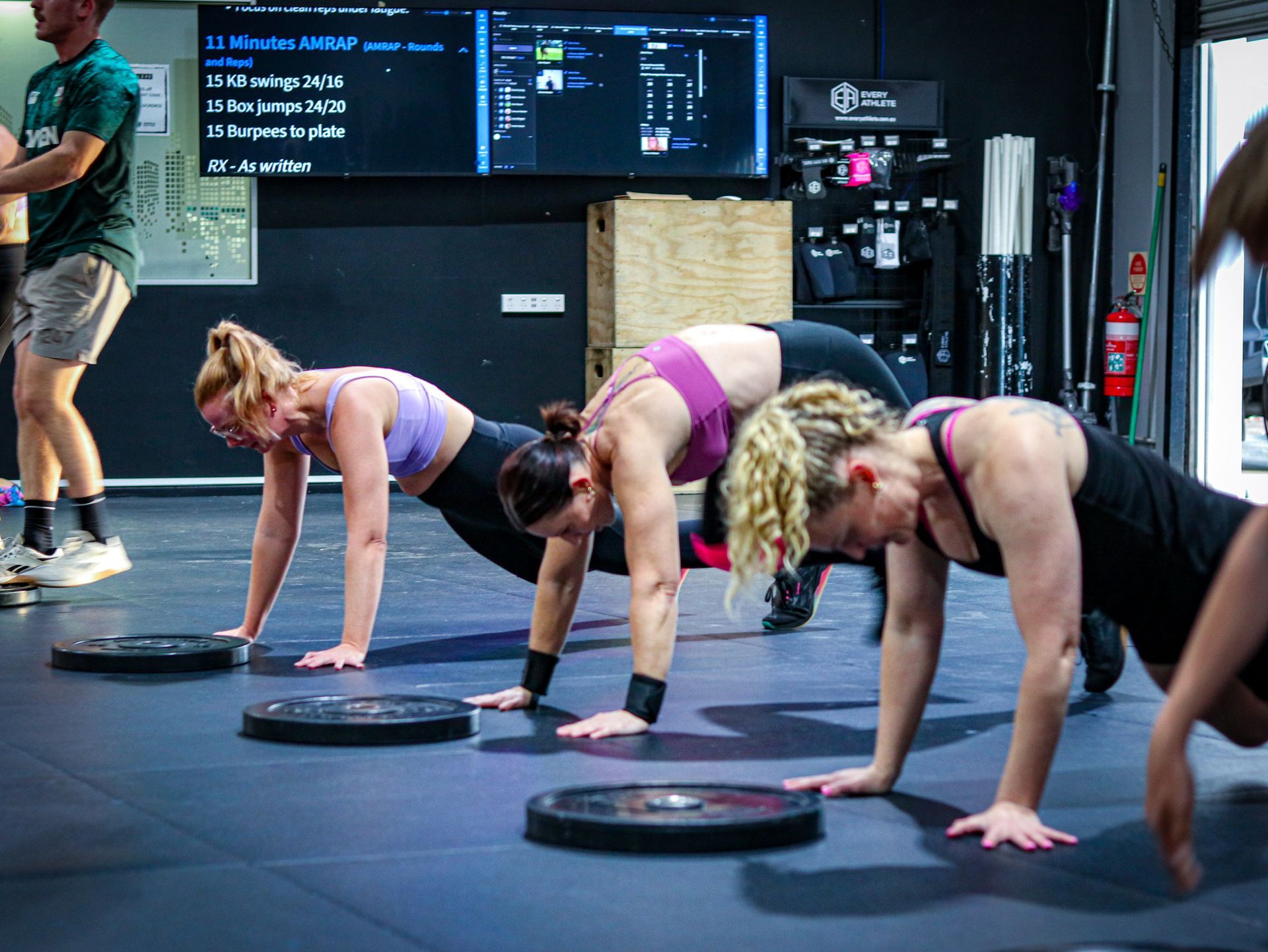
If you live in Wynnum or Capalaba, you’re not short of fitness options. There are 24-hour gyms. Bootcamps. HIIT studios. Yoga classes. Running clubs along the waterfront. But despite more access than ever, many people still feel stuck. Tired. Plateaued. Unsure whether what they’re doing is actually working. For many adults across Brisbane’s bayside suburbs, the missing piece isn’t more cardio or more intensity. It’s structured strength training. What Strength Training Actually Does (Beyond “Toning”) Strength training isn’t just about lifting heavy weights or looking muscular. It is one of the most well-supported interventions in exercise science for improving: • Lean muscle mass • Bone density • Insulin sensitivity • Resting metabolic rate • Functional capacity • Injury resilience When you lift weights progressively, your body adapts. Muscle fibres increase in size. Neural drive improves. Connective tissue strengthens. Bone responds to load. This isn’t aesthetic. It’s physiological. For adults in their 30s, 40s and 50s — especially busy professionals and parents — maintaining and building muscle becomes increasingly important. From around age 30 onwards, we gradually lose muscle mass if we don’t train against resistance. Strength training slows — and can even reverse — that decline. Why Many People Plateau in Traditional Gyms Joining a gym in Wynnum or Capalaba is easy. Progress is harder. Many people follow random workouts. They jump between machines. They try classes without a long-term plan. They train hard, but without structure. The body adapts quickly to repeated stimulus. If load, volume or intensity don’t increase over time, adaptation stalls. This principle is called progressive overload — and it is fundamental to strength development. Without it, workouts feel hard but don’t necessarily lead to measurable progress. That’s why tracking lifts, planning training blocks, and adjusting volume matter. Effort is important. Structure is essential. Strength vs “Burning Calories” A common goal across the Wynnum and Capalaba community is fat loss. Many people default to high-intensity cardio to “burn more calories”. While cardiovascular training improves heart health and work capacity, resistance training changes body composition in a different way. Muscle tissue is metabolically active. The more lean mass you maintain, the more energy your body requires at rest. Strength training also improves glucose regulation and insulin sensitivity, which influences how your body uses carbohydrates. In simple terms: Cardio burns calories during the session. Strength training improves how your body uses energy long term. The most effective approach often combines both — but strength should not be overlooked. The Importance of Coaching in Strength Training Not all training environments are equal. There is a difference between access to equipment and access to coaching. Research in motor learning consistently shows that technique improves faster and more safely when feedback is specific and timely. Good coaching reduces injury risk, improves force production and builds confidence under load. For beginners, this means learning correct movement patterns. For experienced lifters, this means refining efficiency and progressing safely. In both Wynnum and Capalaba, more people are moving away from “do it yourself” gym models and towards coached environments that prioritise progression and accountability. Because consistency — not intensity — predicts long-term success. Strength Training for Real Life The real benefit of strength training isn’t what happens in the gym. It’s what happens outside it. Carrying children. Lifting groceries. Walking the stairs without fatigue. Reducing back pain. Improving posture after long desk hours. Strength improves quality of life. For people living and working in Brisbane’s bayside suburbs — balancing work, school runs and community commitments — training needs to support life, not compete with it. Two to four well-programmed sessions per week is enough to create significant improvements in strength and body composition when done consistently. You do not need to train every day. You need to train intelligently. What To Look For in a Strength Training Gym in Wynnum or Capalaba If you’re considering starting strength training locally, look for: • Structured programming rather than random workouts • Progressive overload built into sessions • Coaches who adjust for injury, mobility and experience • A community that supports consistency • A clear pathway for beginners Strength training should feel challenging — but sustainable. It should build confidence, not intimidation. A Quiet Shift in Fitness Across Wynnum and Capalaba, there is a noticeable shift. People are moving away from extreme short-term “transformations” and towards long-term strength development. They want: Energy that lasts. Bodies that feel capable. Training that fits into real life. Strength training isn’t a trend. It is one of the most researched, effective and sustainable forms of exercise available. If you’ve tried everything else and still feel stuck, it might not be motivation you’re missing. It might be structure. And structure changes everything.
January 19, 2026
If you’ve been thinking about getting back into training — or starting properly — this is your chance. From February 2–8 , you can train free for a full week at Rebuild Capalaba with unlimited access to our group sessions. No pressure. No judgement. No gimmicks. Just well-coached training, intelligent programming, and a community built around progress — not perfection. What Free Week Includes • Unlimited group training for 7 days • Coaching-led strength, conditioning, and cardio sessions • Scaled options to suit all experience levels • A supportive, ego-free training environment Whether you’re returning after a break, testing something new, or simply curious about what training should feel like — Free Week lets you experience it properly, without committing upfront. Free Week runs Feb 2–8. Spots are limited. Book your week and see how it fits into your life.
November 24, 2025
Try a Session. Meet the Coaches. See What You’re Capable Of If you’ve been thinking about starting, restarting, or finding a gym that actually supports you — Taster Day is your opportunity. This is a free, one-day event designed for real people. No pressure. No expectations. Just great coaching, a welcoming community, and a chance to see whether Rebuild is the right fit for you. December 6, 7:30am at Rebuild Health and Fitness - 10 North Road Wynnum West. This session is FREE for people to join.
More Posts